
English| EUR
Suggested for you
More currencies
Choose a language
Foodborne illness remains one of the most common health concerns for visitors to coastal resort destinations. Understanding the risk factors specific to the Riviera Maya and knowing how to respond if symptoms appear can make the difference between a brief inconvenience and a serious disruption to your trip.
Quick answer
Foodborne illness in Playa del Carmen typically results from bacterial contamination in undercooked seafood, unwashed produce, ice made from untreated water, or cross-contamination in food preparation. Symptoms usually appear within six to forty-eight hours and include nausea, vomiting, abdominal cramping, diarrhea, and fever. Most cases resolve within seventy-two hours with rest and hydration, but severe dehydration or symptoms lasting longer than three days require medical attention.
Nearly thirty percent of travelers to Mexico report at least one episode of gastrointestinal distress during their stay. The combination of unfamiliar bacterial strains, higher ambient temperatures that accelerate spoilage, and varying standards in food handling creates an environment where contamination spreads more easily than in temperate climates. The most frequent culprits are not the foods visitors expect. Raw oysters and ceviche prepared hours before service carry elevated risk, as do buffet items held at inconsistent temperatures. Ice cubes, often overlooked, pose a threat when made from municipal tap water that has not been filtered or treated. Salads and cut fruit washed in contaminated water transmit pathogens even when the produce itself is clean. Cross-contamination occurs when cooked food contacts surfaces or utensils previously used for raw ingredients. Pathogenic bacteria such as Escherichia coli, Salmonella, Campylobacter, and Shigella account for the majority of cases. Norovirus, though less common, spreads rapidly in settings where hygiene protocols lapse. Parasitic infections from Giardia or Cryptosporidium develop more slowly and produce symptoms that persist for weeks if untreated. Early recognition matters. The first sign is often a sudden loss of appetite followed by waves of nausea. Diarrhea begins within hours, and fever may climb above thirty-eight degrees Celsius. Dehydration accelerates in warm climates, especially when vomiting prevents fluid intake. Warning signs include dark urine, dizziness when standing, dry mouth, and confusion. Blood in stool, unrelenting abdominal pain, or high fever above thirty-nine degrees warrant immediate medical evaluation. Treatment focuses on fluid replacement. Oral rehydration solutions containing electrolytes work better than water alone. Anti-diarrheal medications slow gut motility but can trap toxins; they should not be used if fever or blood is present. Antibiotics are reserved for confirmed bacterial infections and prescribed only after clinical assessment. Playa del Carmen food poisoning is not inevitable. The infrastructure supporting tourism includes clinics staffed by bilingual physicians, pharmacies stocked with rehydration salts and medications, and a network of establishments adhering to rigorous sanitation standards. Awareness of transmission pathways and early intervention turn a potential crisis into a manageable setback.
“Nearly thirty percent of travelers to Mexico report at least one episode of gastrointestinal distress during their stay.”
Visitors often underestimate simple hygiene lapses that carry the highest risk. Most cases trace back to a handful of preventable errors rather than bad luck.
Drinking tap water or brushing teeth with it
Use only bottled or purified water for drinking and oral hygiene. Even brief contact with untreated tap water can introduce pathogens your system isn't adapted to handle.
Assuming ice in drinks is made from purified water
Request drinks without ice unless you can confirm the establishment uses purified water for freezing. Ice often comes from the same municipal supply as tap water.
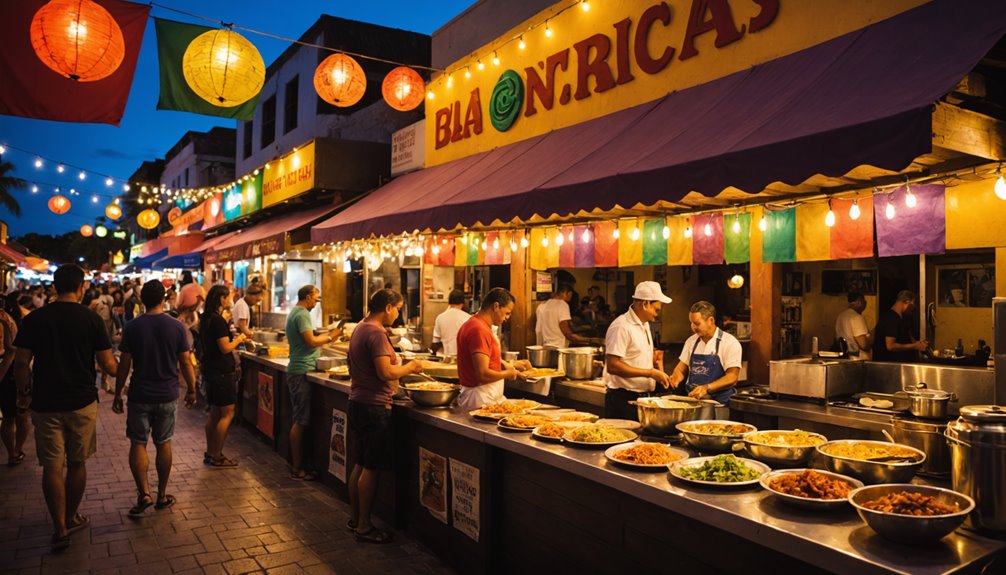
Eating at street stalls with no visible customer turnover
Choose vendors with steady lines and high turnover—food sits at unsafe temperatures when demand is low. A quiet stall means ingredients have been exposed longer.
Consuming raw vegetables or unpeeled fruit washed in local water
Stick to fruit you peel yourself and avoid raw salads unless you know the kitchen uses purified water for washing. The rinse water, not the produce, is usually the contamination source.
Ignoring hand hygiene before eating street food or market snacks
Carry alcohol-based hand sanitizer and use it before handling food, especially when soap and water aren't available. Your hands pick up bacteria from surfaces throughout the day.
Adopting consistent hygiene habits and selecting vendors with high ingredient turnover significantly lowers the risk of foodborne illness during your stay.
Observe food vendors to ensure constant movement of ingredients, as high turnover minimizes the risk of consuming food stored at improper temperatures. Busy stalls with many local patrons are generally safer options than quiet establishments.
Use an alcohol-based hand sanitizer before every meal, especially when eating street food where handwashing stations are not readily available. Cross-contamination from handling money and then food is a frequent cause of illness.
Request that your bottled water or soda is opened in your presence to ensure the seal is intact. Avoid ice in drinks unless the establishment explicitly uses purified, filtered ice.
Select items cooked to order over raw produce or dishes kept in warming trays for extended periods. Heat kills most pathogens, making freshly grilled meats or boiled items a safer choice.
Avoid food items that have been sitting out in the open, particularly dairy, mayonnaise, or seafood dishes exposed to ambient heat. Stick to hot, freshly prepared foods to minimize bacterial growth.
Playa del Carmen offers a variety of dining environments ranging from high-traffic tourist hubs to local neighborhood spots. Evaluating sanitation standards and venue turnover is essential when choosing where to eat.
street
This area contains various local eateries situated away from the primary tourist zones, often offering better value and consistent food turnover.
restaurant
Located on Avenida 30, this establishment maintains high volume and rapid ingredient turnover, which is a positive indicator for freshness.
market
Found near the center, this market provides access to fresh produce and local vendors where preparation methods are often visible.
restaurant
Situated in the quiet northern end of the city, this venue focuses on regional ingredients with established kitchen practices.
Prepare for your trip with medical precautions that reduce your risk of foodborne illness in Playa del Carmen.
Everything you need to know about playa del carmen food poisoning
Travelers may experience this issue due to contaminated water, raw produce, or improper food handling at local establishments. Understanding the risks associated with playa del carmen food poisoning helps you make informed decisions about where you dine.
Preventative measures include choosing busy, reputable restaurants and ensuring your meals are cooked thoroughly. Staying informed about local dining standards significantly lowers the risk of contracting a stomach bug during your vacation.
Common symptoms include nausea, abdominal cramps, diarrhea, and fever that may arise shortly after consuming contaminated food. Recognizing these signs of playa del carmen food poisoning early allows for prompt hydration and appropriate medical care if necessary.
If you become ill, prioritize rehydration with bottled water or electrolyte solutions and seek medical attention if symptoms persist. Proper rest is essential for recovery when dealing with a case of playa del carmen food poisoning while abroad.
Tap water is generally not suitable for drinking in this region, so it is safer to stick to bottled or purified water. This simple habit is one of the most effective ways to avoid gastrointestinal distress while traveling.
An unexpected illness can interrupt your itinerary, so keeping your schedule flexible is wise when exploring the local gastronomy. Recovery usually takes a few days, during which time it is important to avoid strenuous activities.
Guided excursions often prioritize vetted venues with high sanitation standards, providing a safer environment for tasting regional specialties. Choosing a reputable food tour operator is a proactive step to ensure a positive and healthy culinary experience.